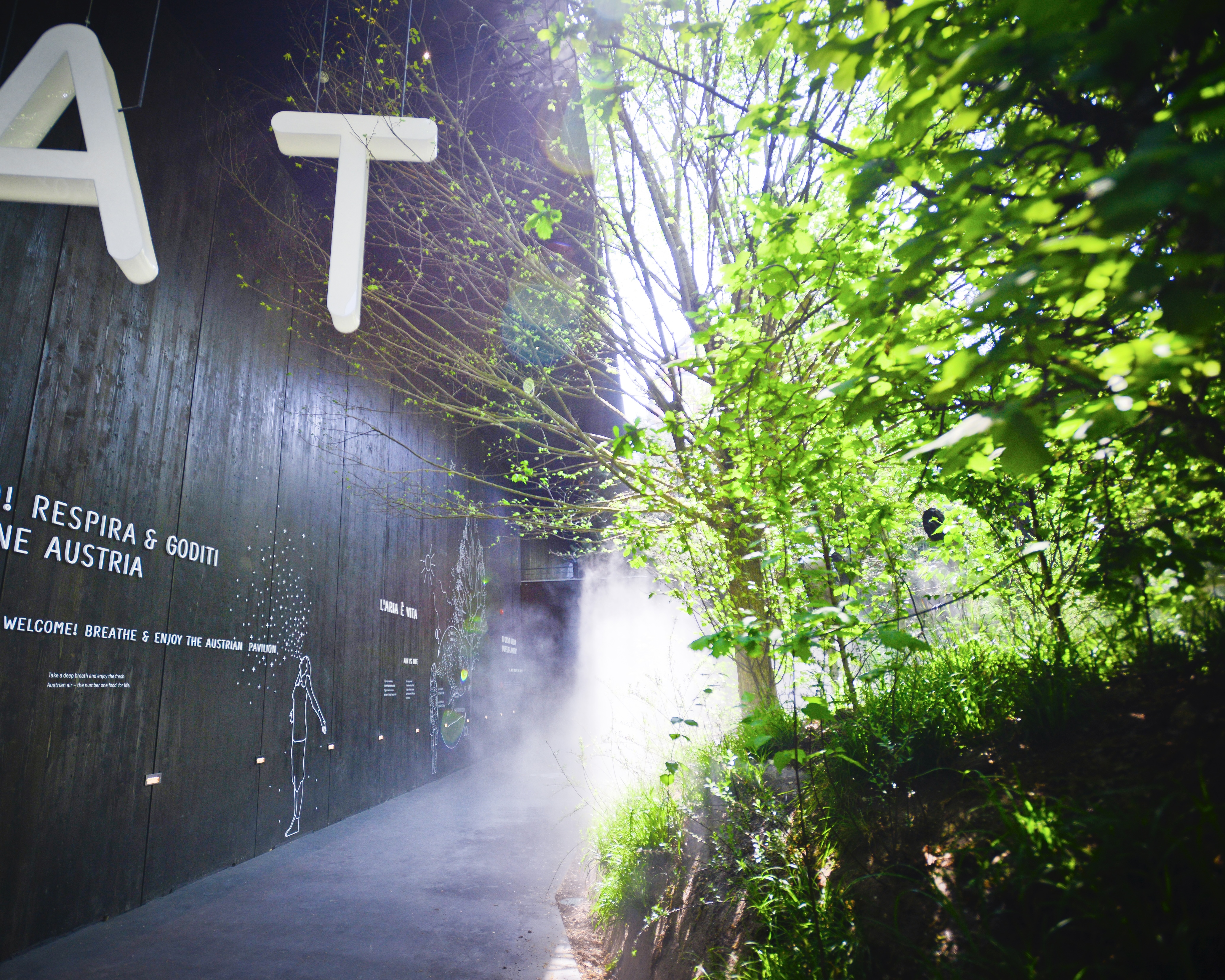
Austria Pavilion – Expo 2015 Milan

Air as a Central Resource

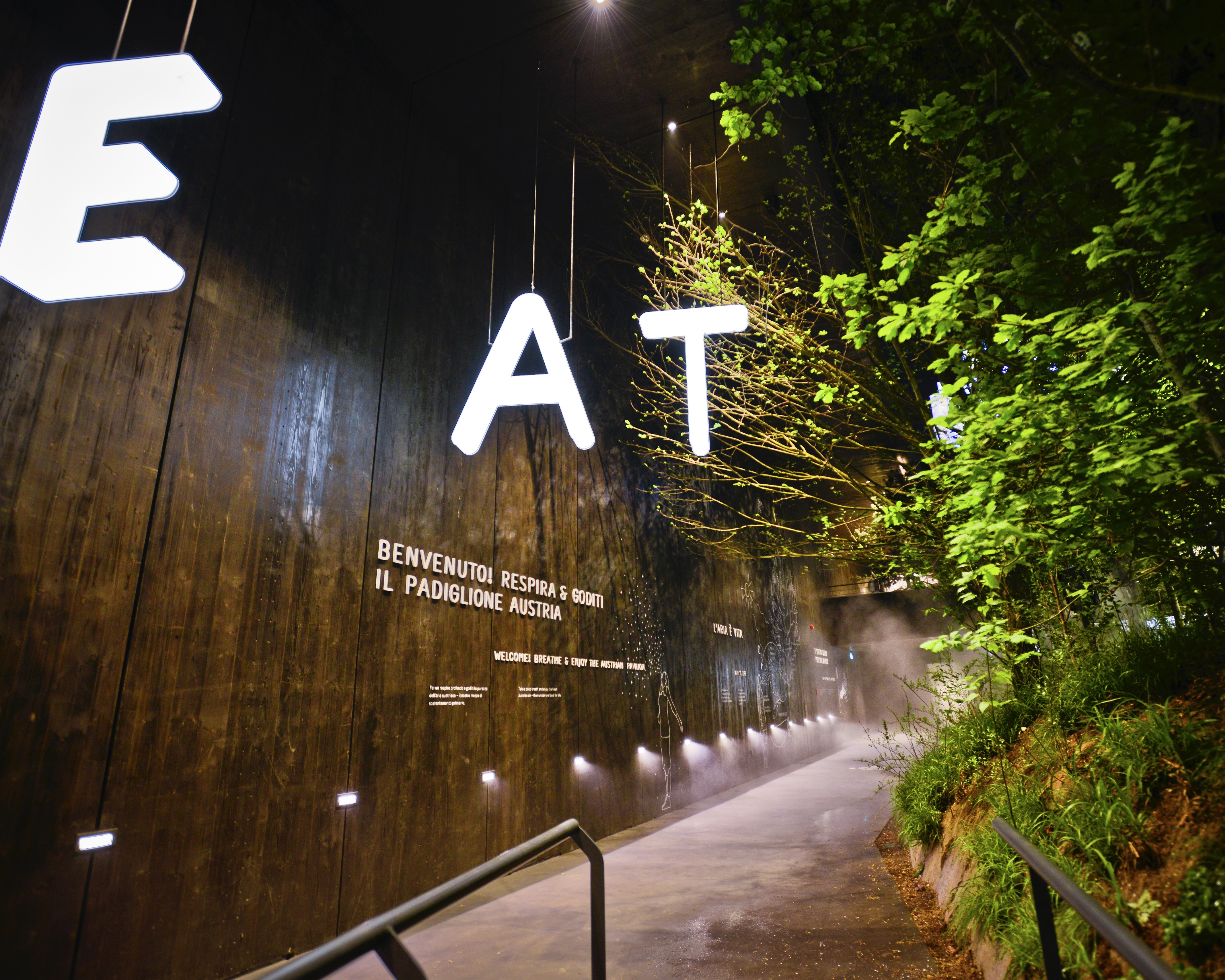
With the concept “breathe.austria”, Austria presented a powerful contribution to the Expo Milano 2015 theme “Feeding the Planet, Energy for Life”. The pavilion placed air – the number one source of sustenance and one of the planet’s most valuable resources – at the center of international attention. Architecture, nature, culture, and research merged into a multisensory experience, highlighting the importance of air for our environment and future.
Project information

Planning period
October 2014 – May 1, 2015
Principal
Republik Österreich
Architect and other professionals
General planning by terrain: architekten und landschaftsarchitekten BDA – Klaus K. Loenhart
Our services
  • Detailed design and construction supervision of the complete building services systems for the executing company Adunic Switzerland

Air is not only one of Austria’s defining environmental qualities but also a globally essential resource. It connects the planet as a source of nourishment, a carrier of information, an energy producer, and a vital natural resource. With the “breathe” concept, the Austria Pavilion showcased the country’s natural and technological expertise while addressing future challenges in managing this precious element.

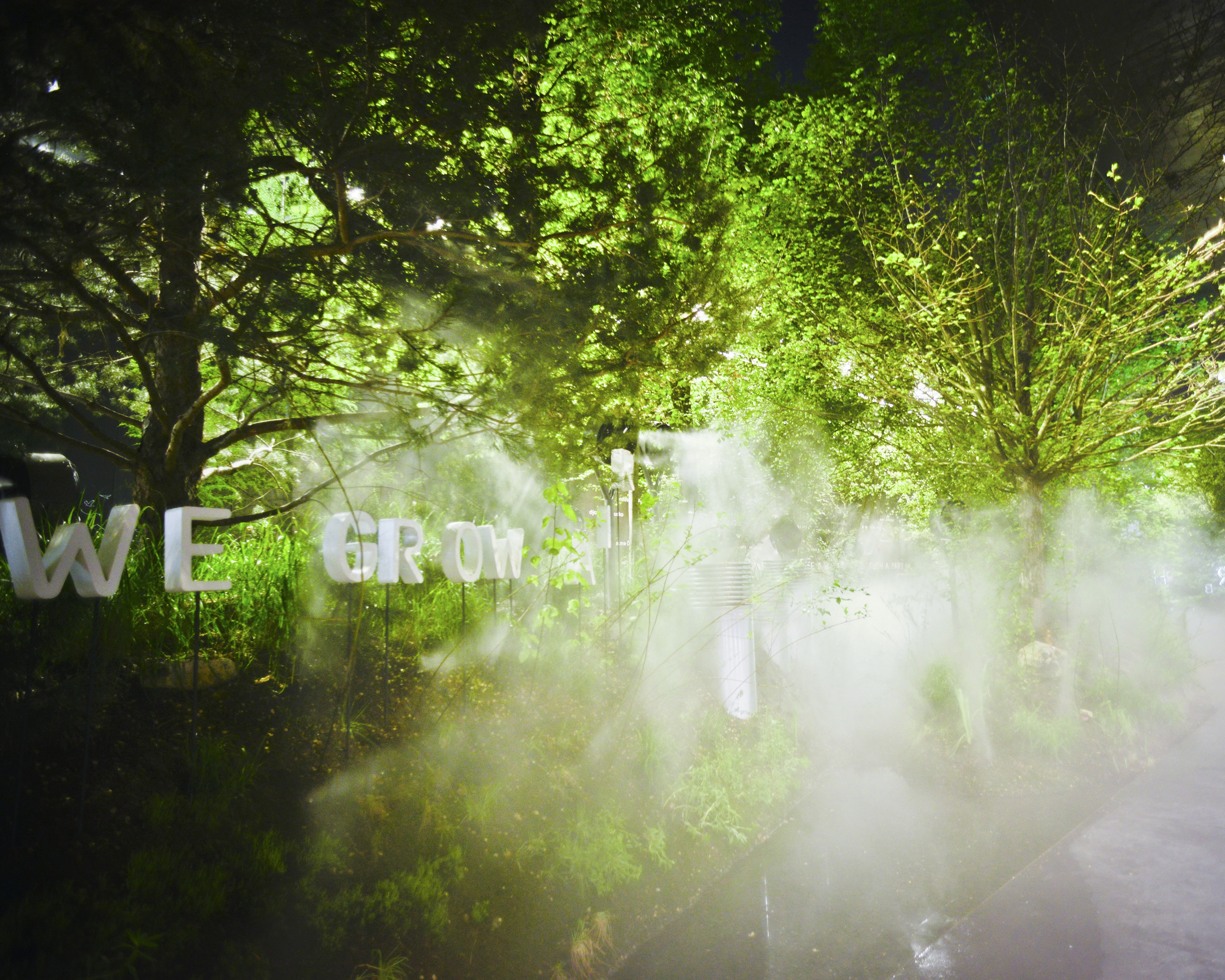
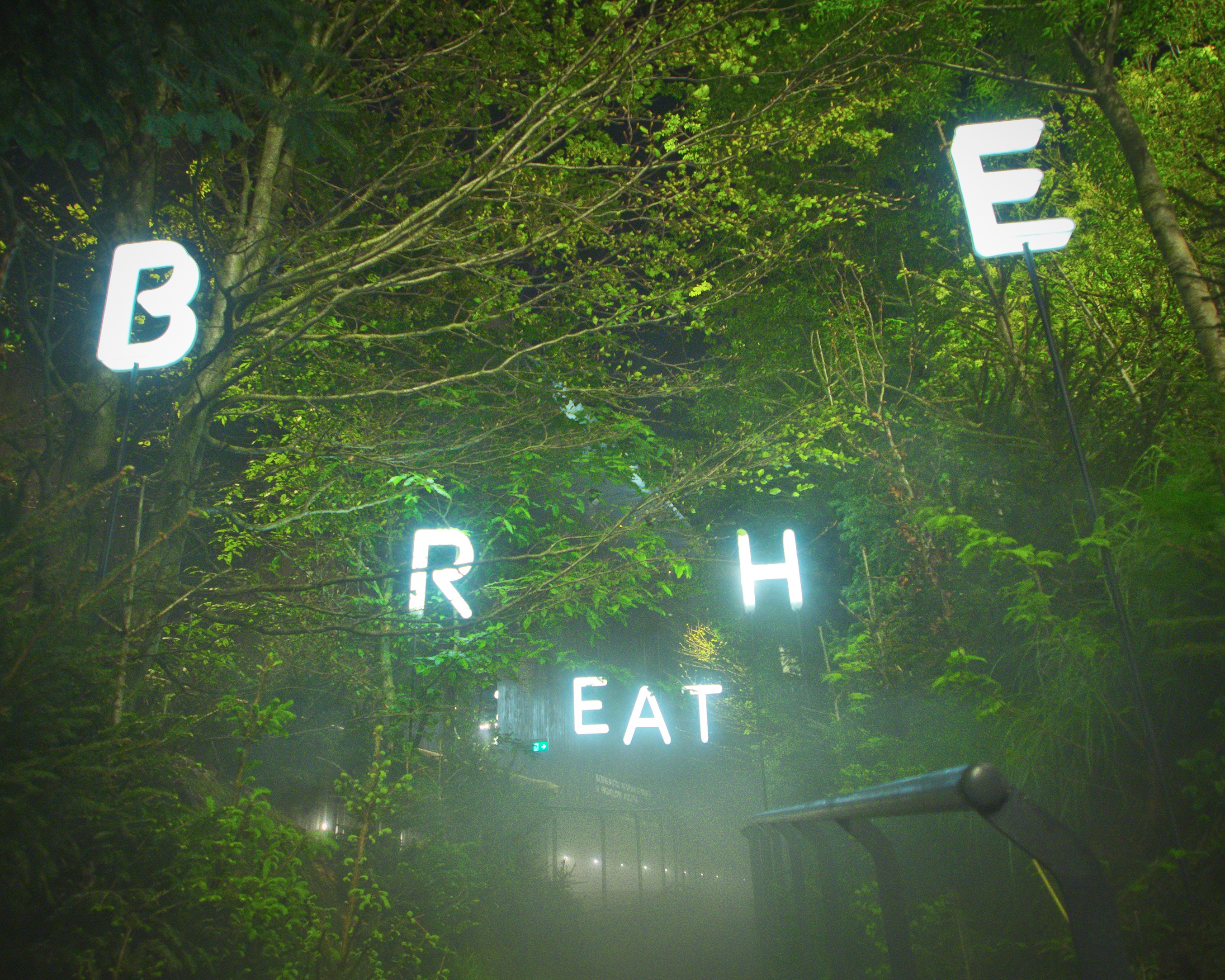
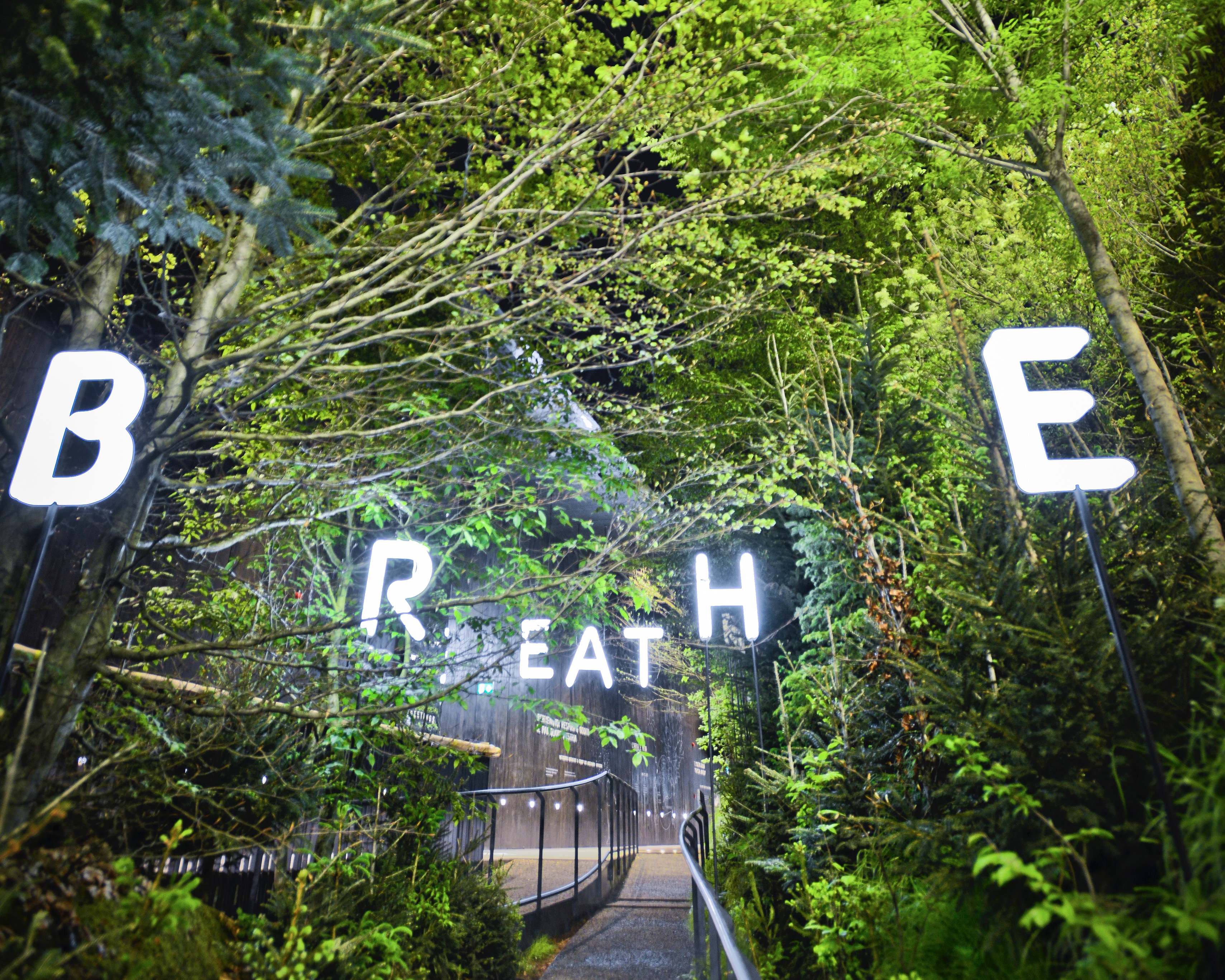
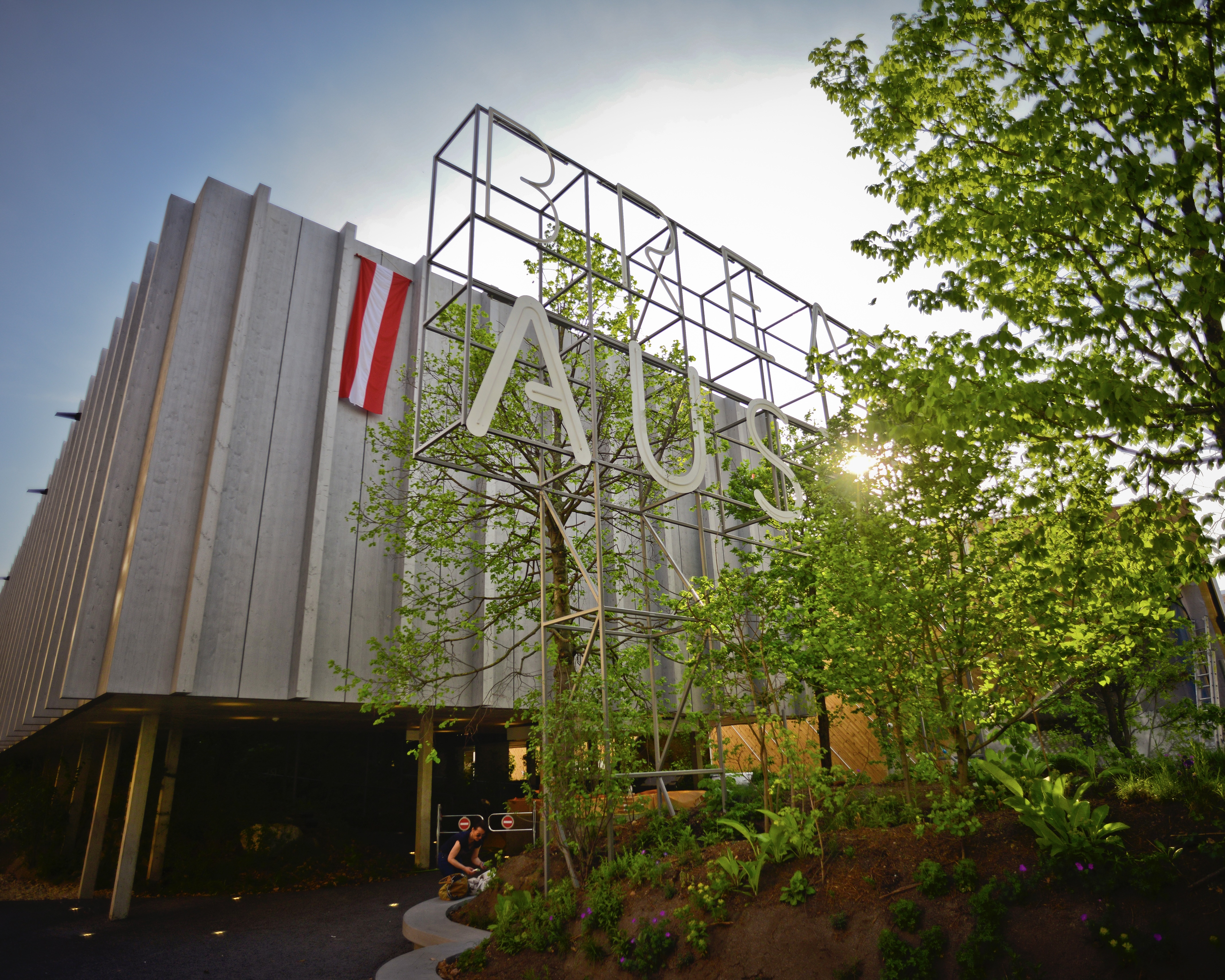
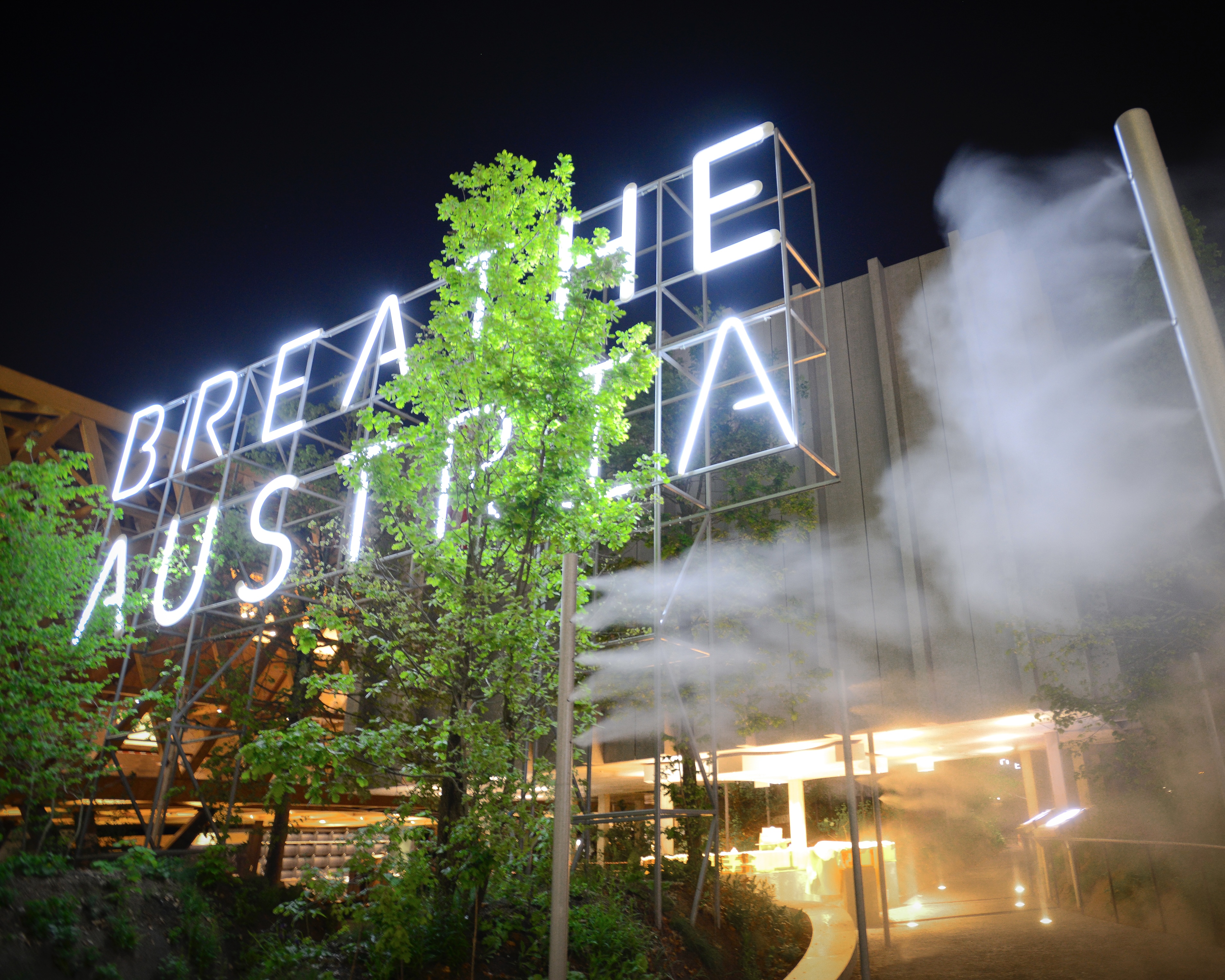
A genuine Austrian forest was planted inside the pavilion, creating a powerful sensory landmark within the former industrial district in northwest Milan. The architecture frames a large vegetation body and acts as a vessel for the performance of the internal landscape. Through technical support – yet without conventional air-conditioning systems – the microclimate conditions of an Austrian forest were actively recreated. Wherever light enters the constructed framework, ecological growth and metabolic processes take place.

The building services design was tailored to the pavilion’s six-month operation during the summer period. Passive energy reduction was primarily achieved through the “forest effect,” combined with an adiabatic cooling system using water evaporation. Forest air was transported into the pavilion via a dedicated ventilation system. Partially open façades, optimized shading, and a precise definition of performance requirements further contributed to reduced energy consumption.

Sustainability was ensured by minimizing technical systems to what was strictly necessary and by reducing embodied energy in material production.

Type of client and project
Public project
Type of facility
Building Services Engineering (MEP systems)
Energytech
info [at] energytech.it