Design and site supervision of the entire building services engineering for the executing company Nüssli Switzerland, including permit planning
Fire protection design including approval procedures
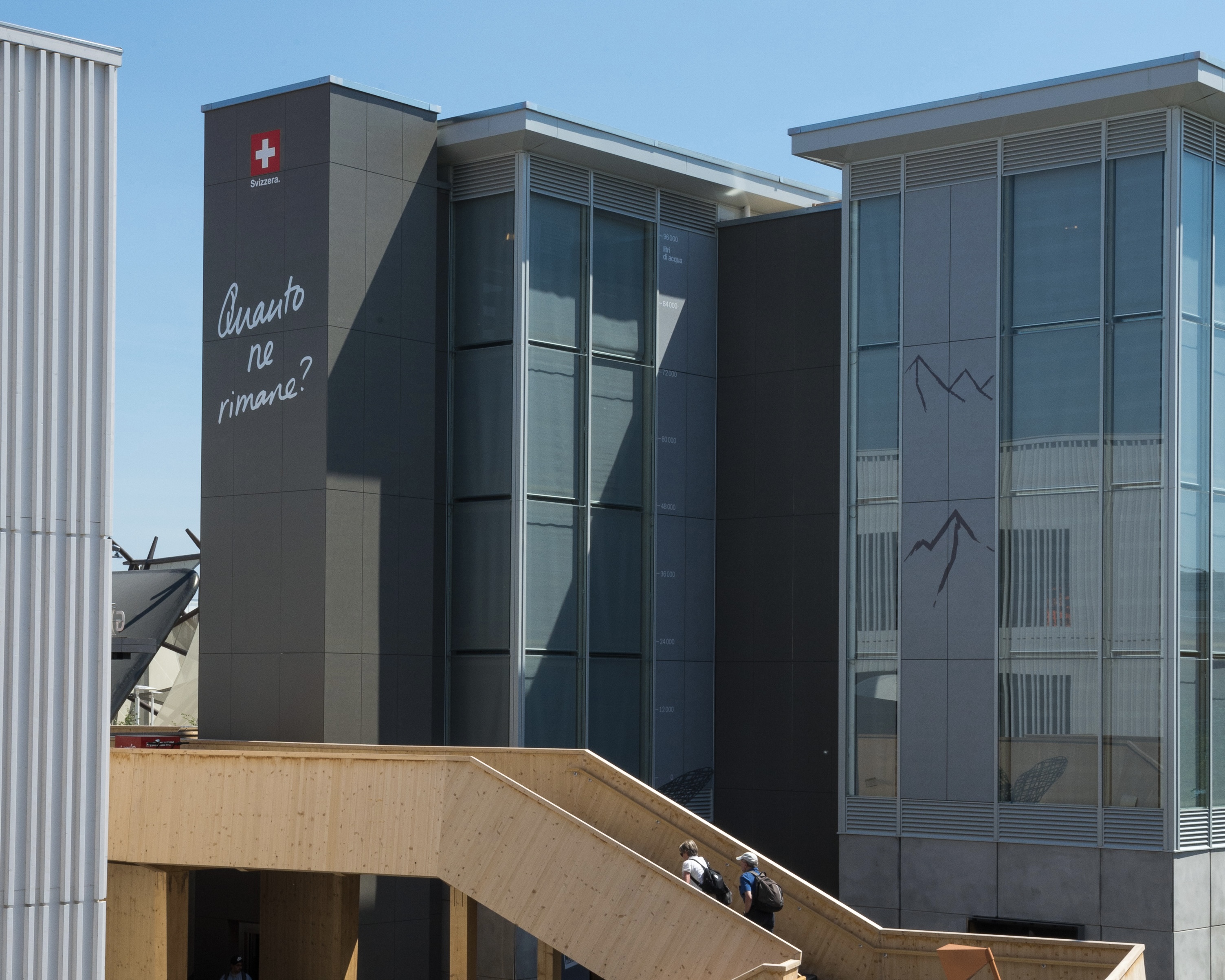
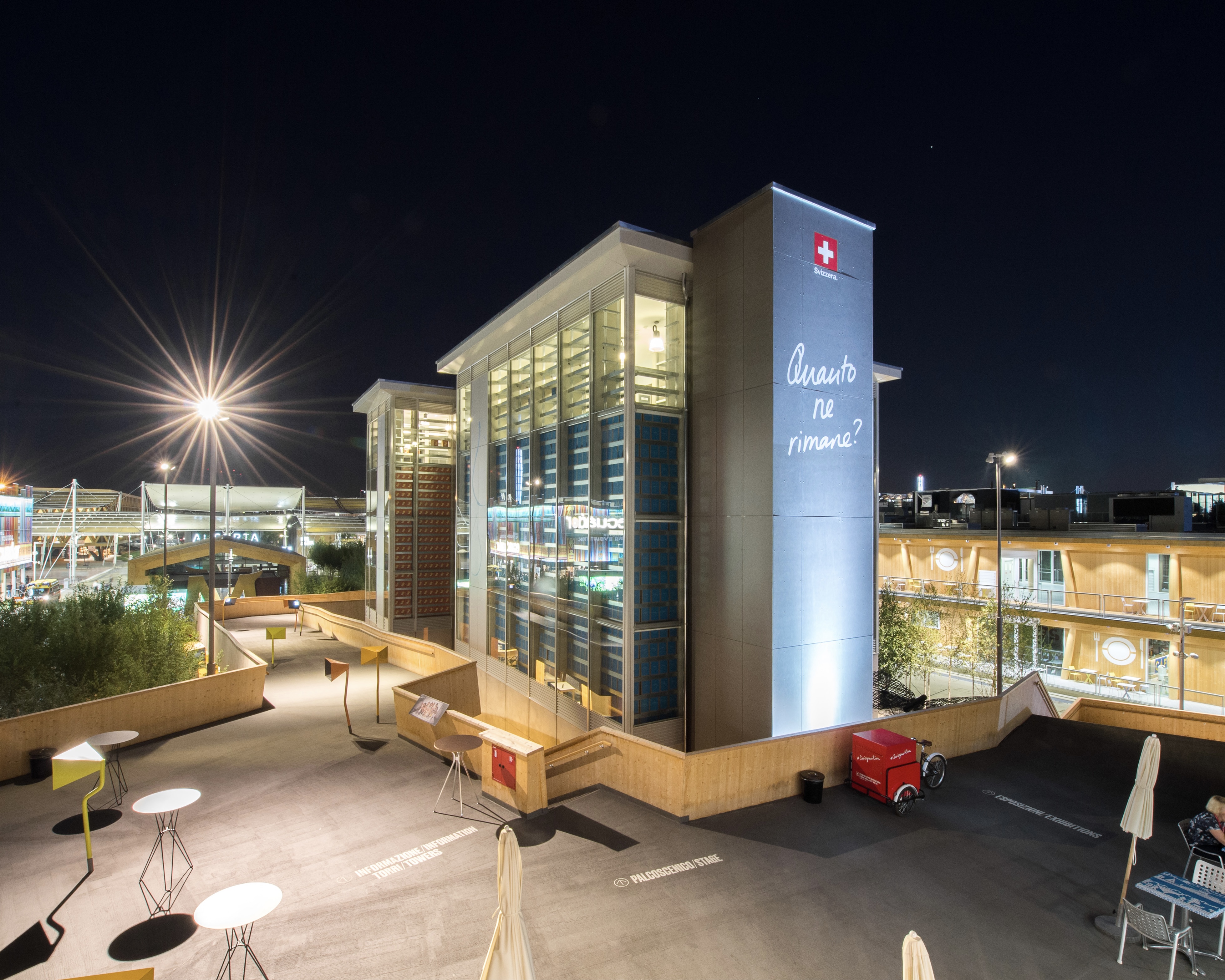
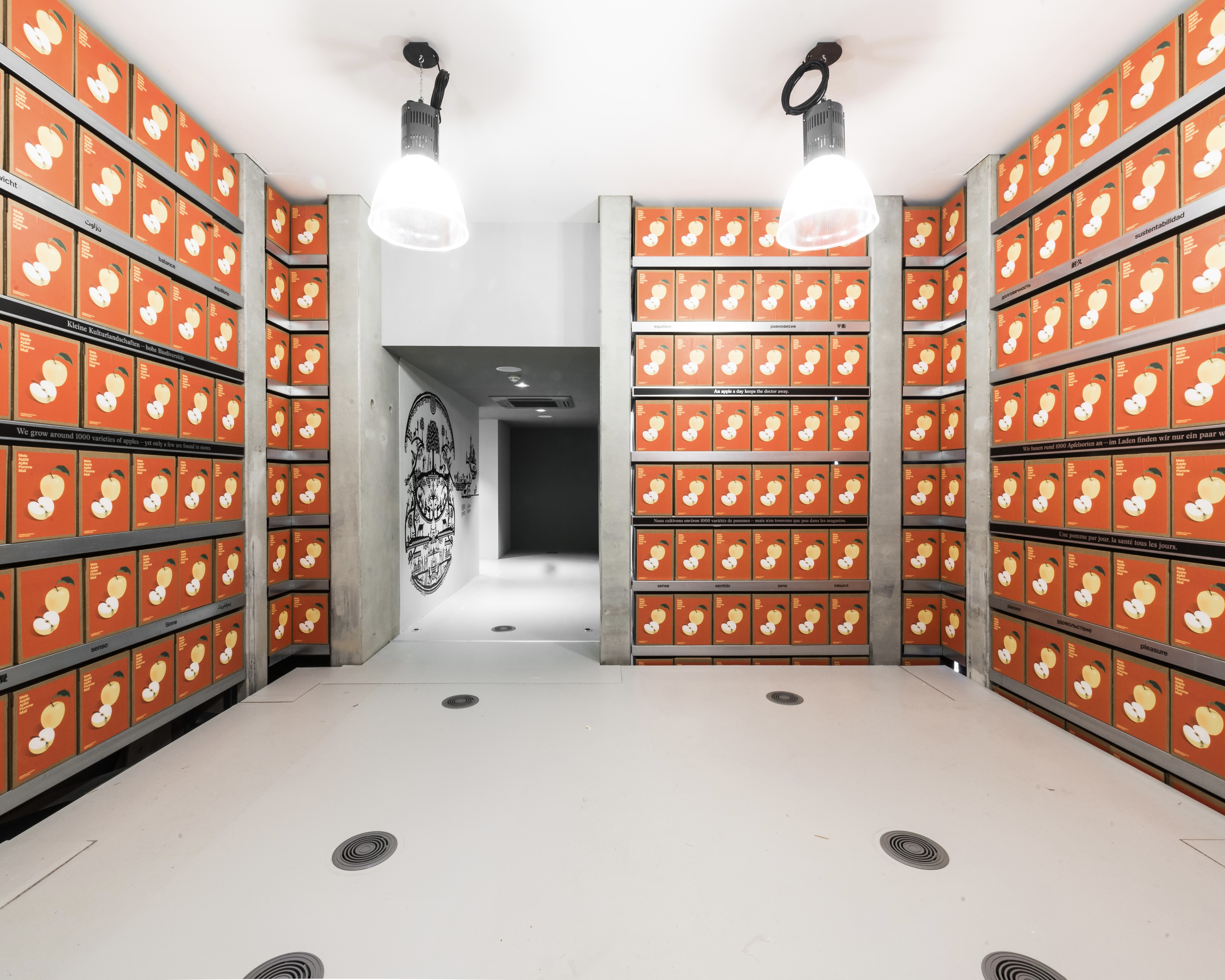
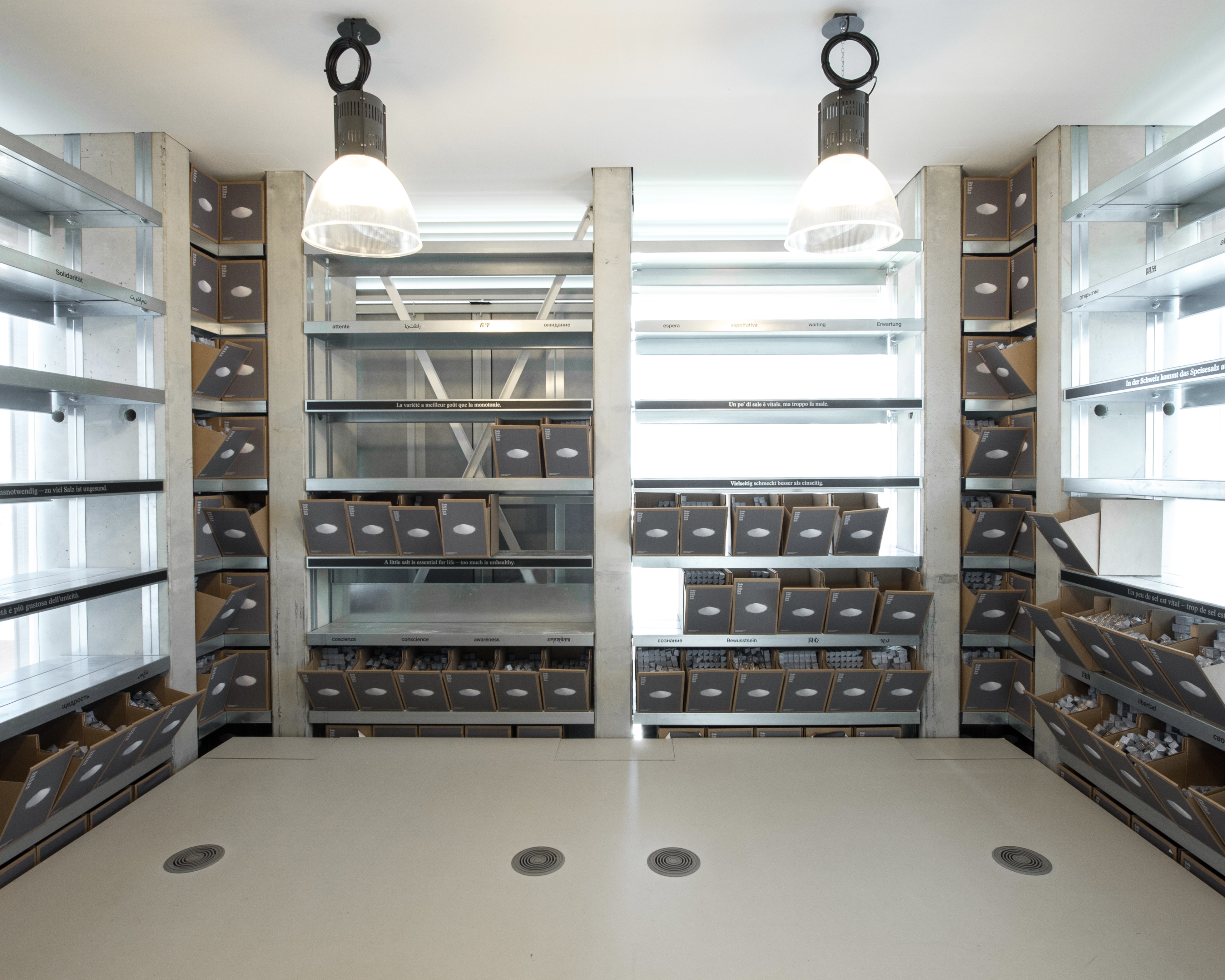
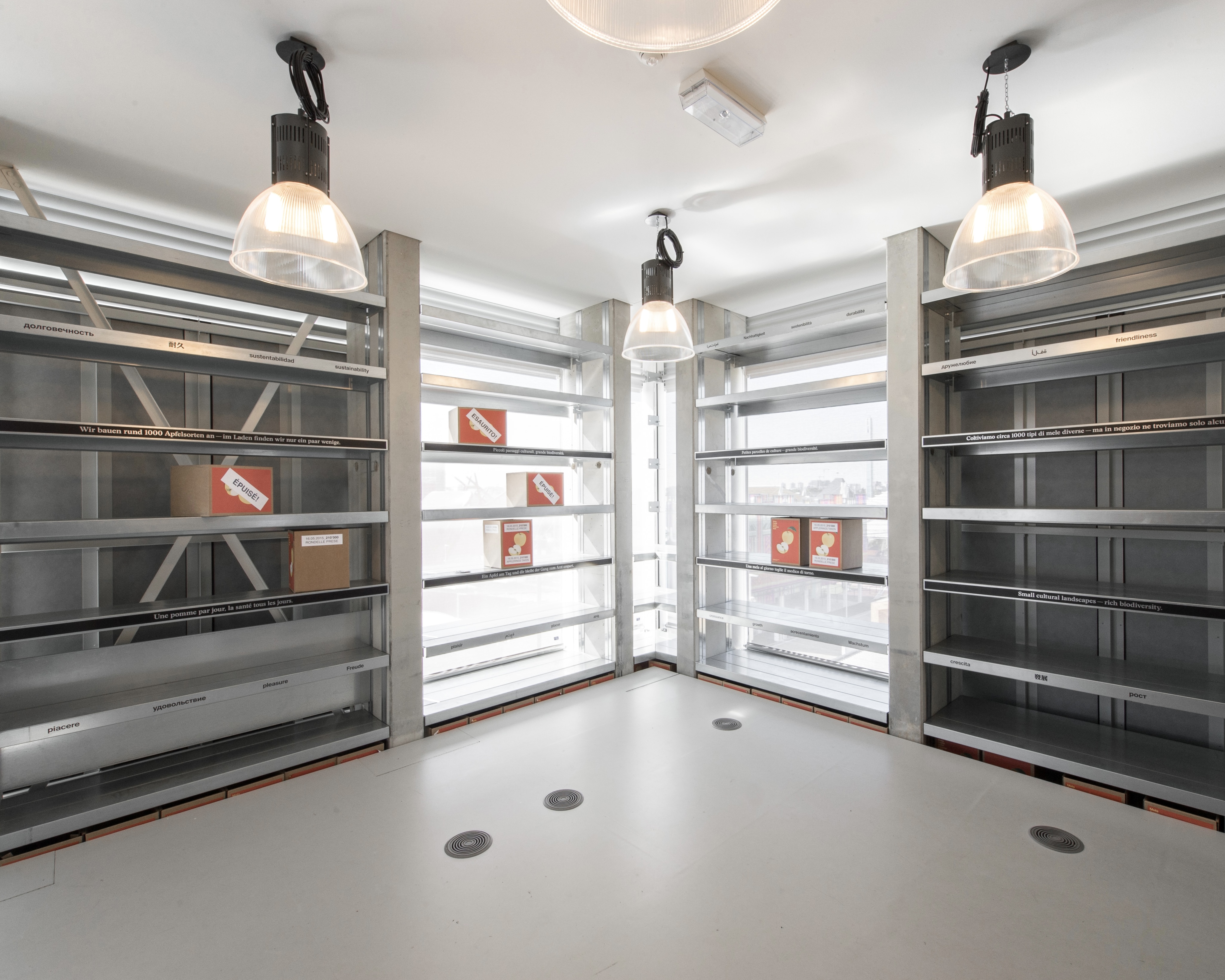
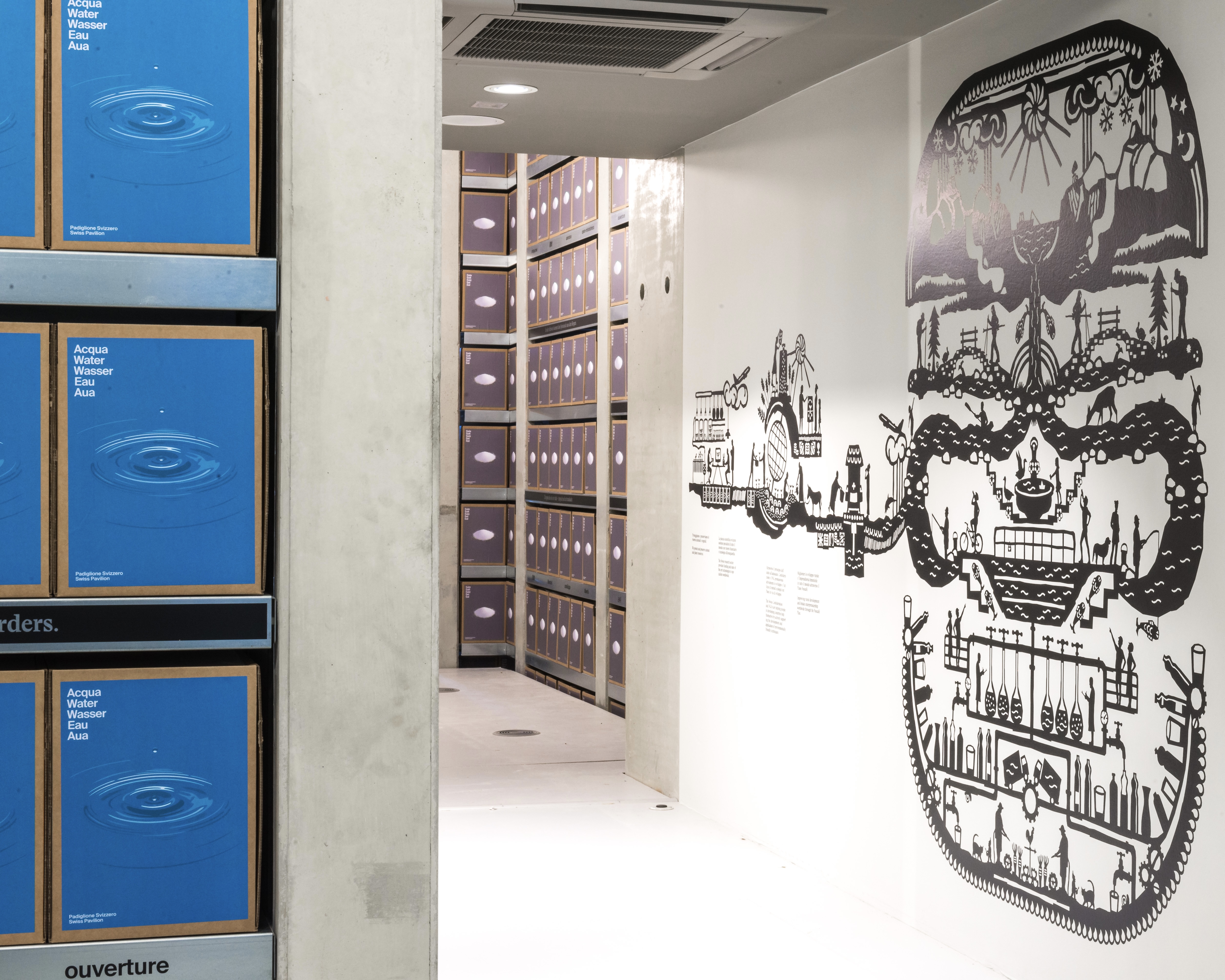
The towers formed the heart of the Swiss Pavilion, inviting visitors to discover Switzerland, its diverse products and the values behind its success. Guests were free to take products with them or consume them on site.
The journey through the towers encouraged reflection on global food availability and sustainable development along the entire food value chain, promoting responsible use of resources.
The four selected products – water, salt, coffee and apples – symbolized a Switzerland that is sustainable, responsible, innovative and rooted in tradition.
The pavilion also hosted the House of Switzerland, including:
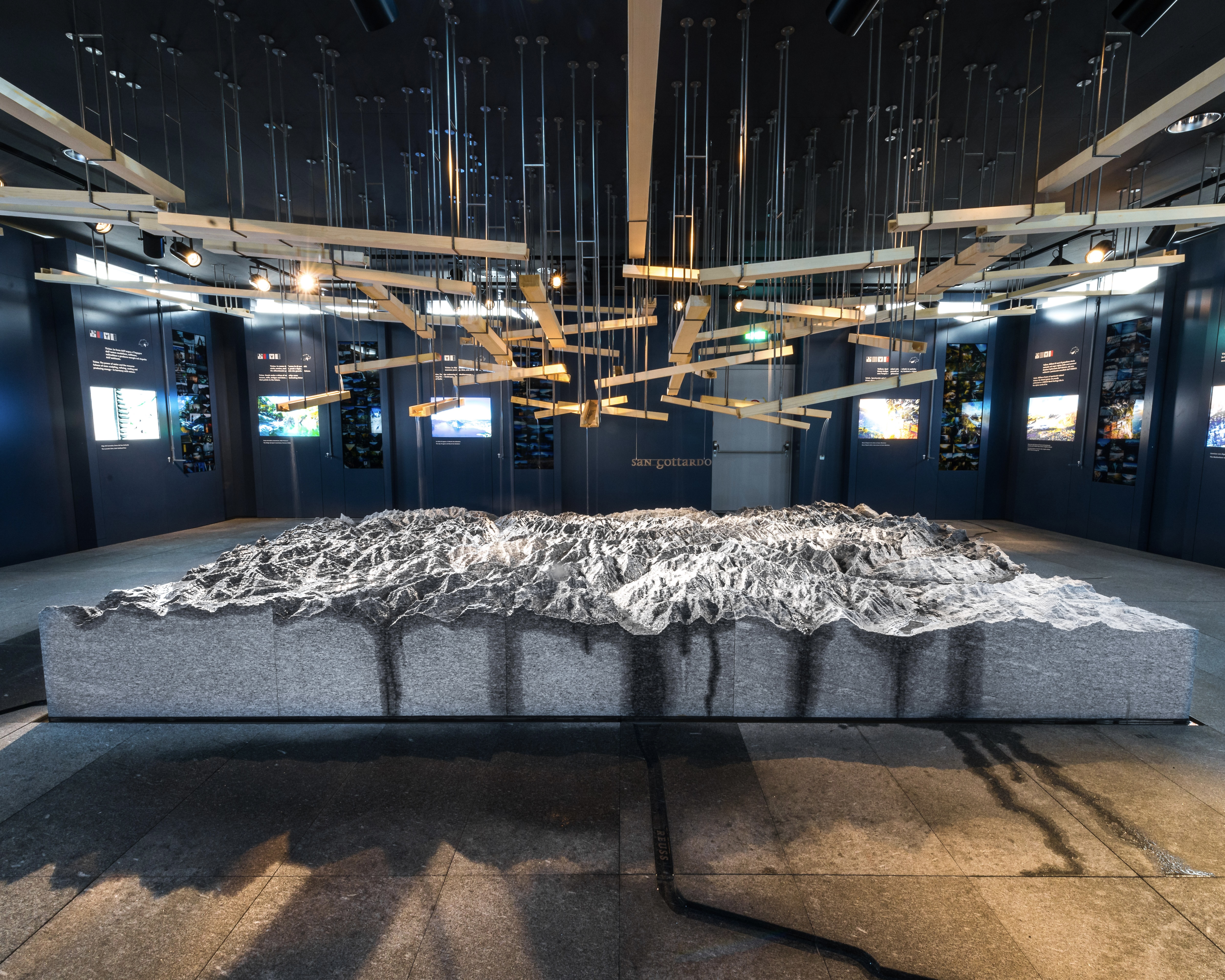
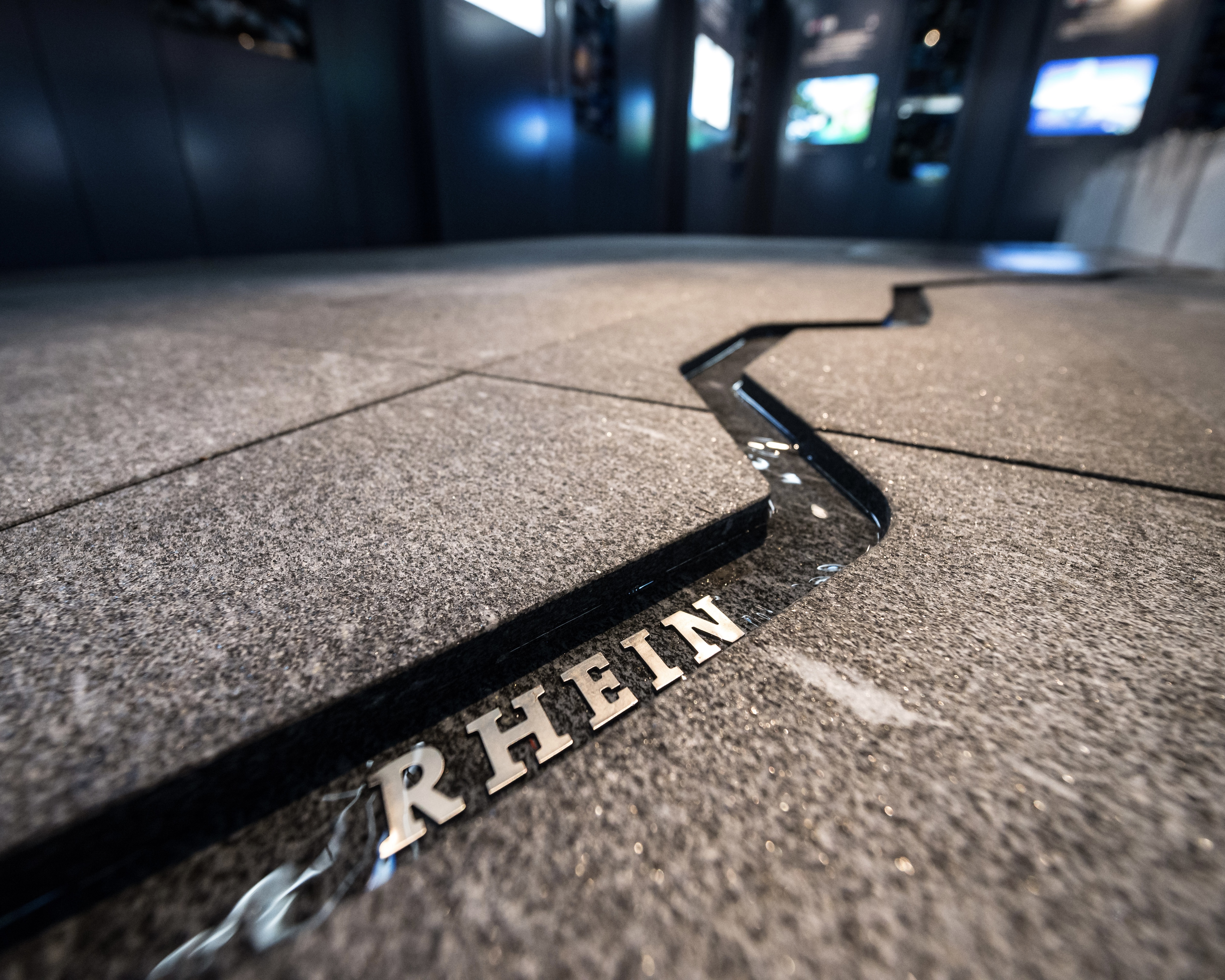
- Exhibition area of the Gotthard partner cantons focusing on water
- Interactive Nestlé exhibition
- Restaurant and take-away
- Information stand of Swiss agriculture
- Partner lounge and auditorium for events and conferences
Key elements included the grandstand between the towers, the NEAT installation and the Switzerland Tourism installation. Thematic exhibitions by public and private partners highlighted Switzerland’s strengths in food, science, tourism and transport.
The building services systems were designed for the six-month summer operation of the pavilion. Passive energy reduction was achieved primarily through optimized façades, shading systems and precise definition of system requirements.
Sustainability was ensured by minimizing technical installations to what was strictly necessary and reducing embodied energy in material production.